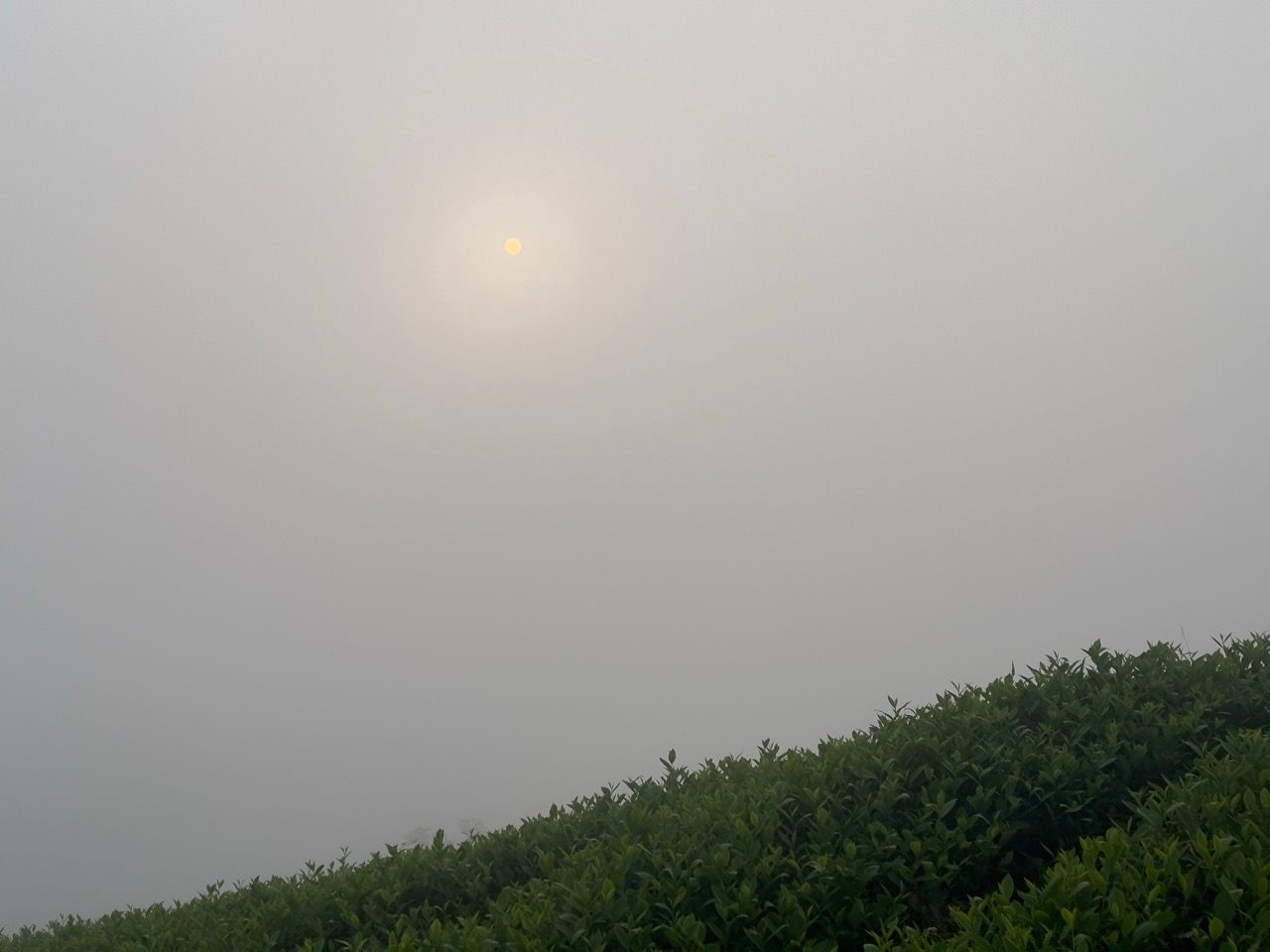
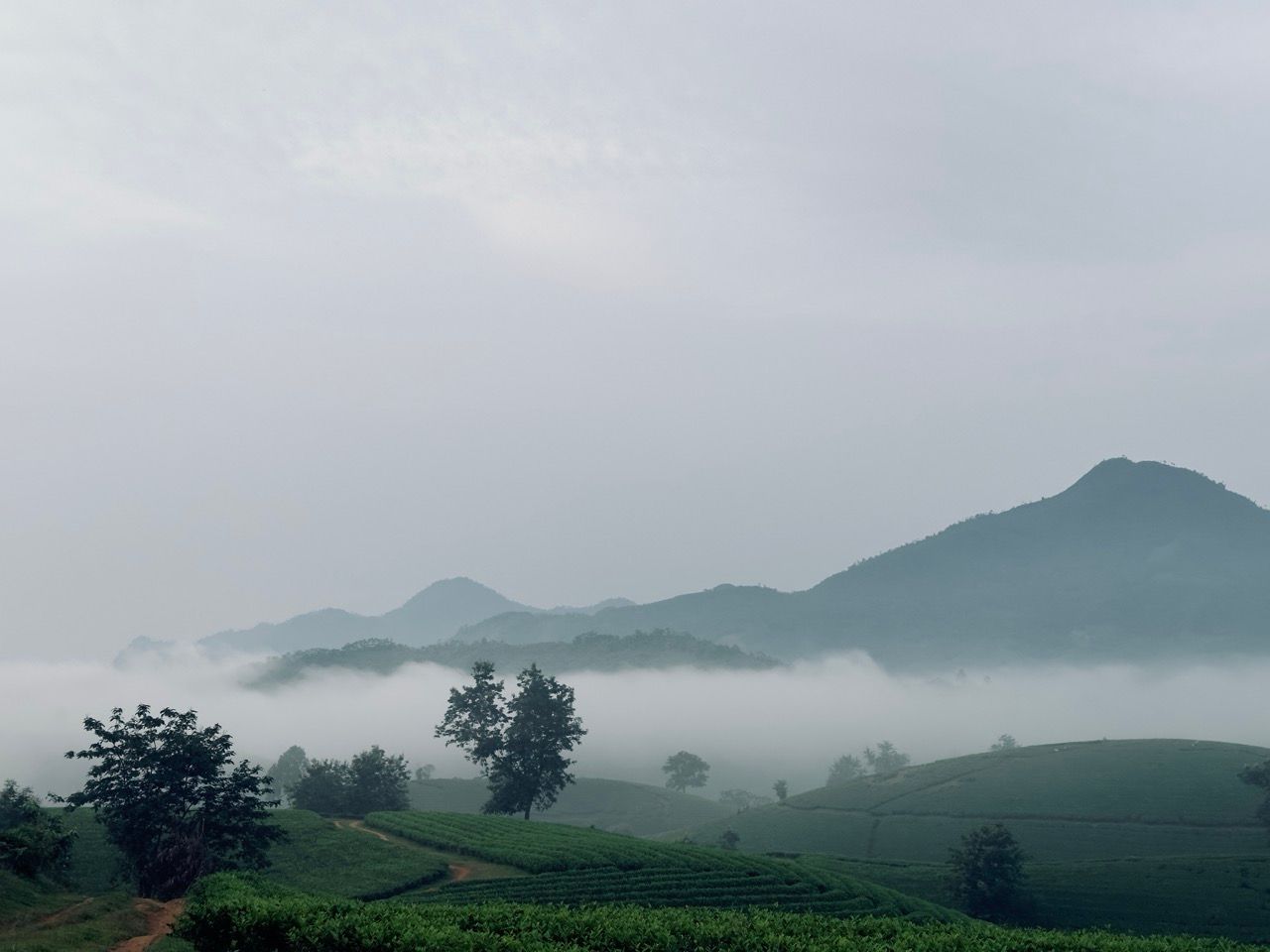
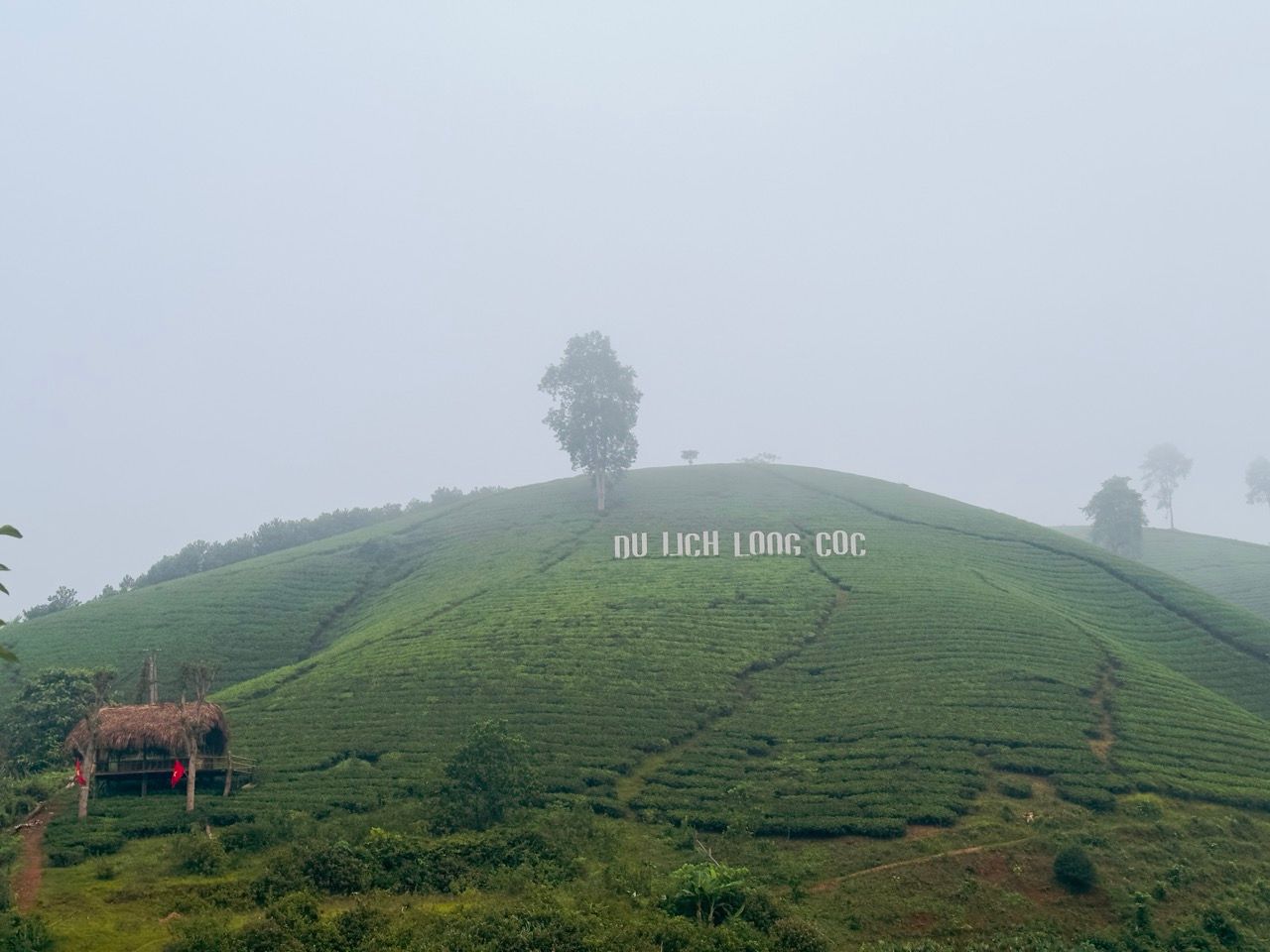
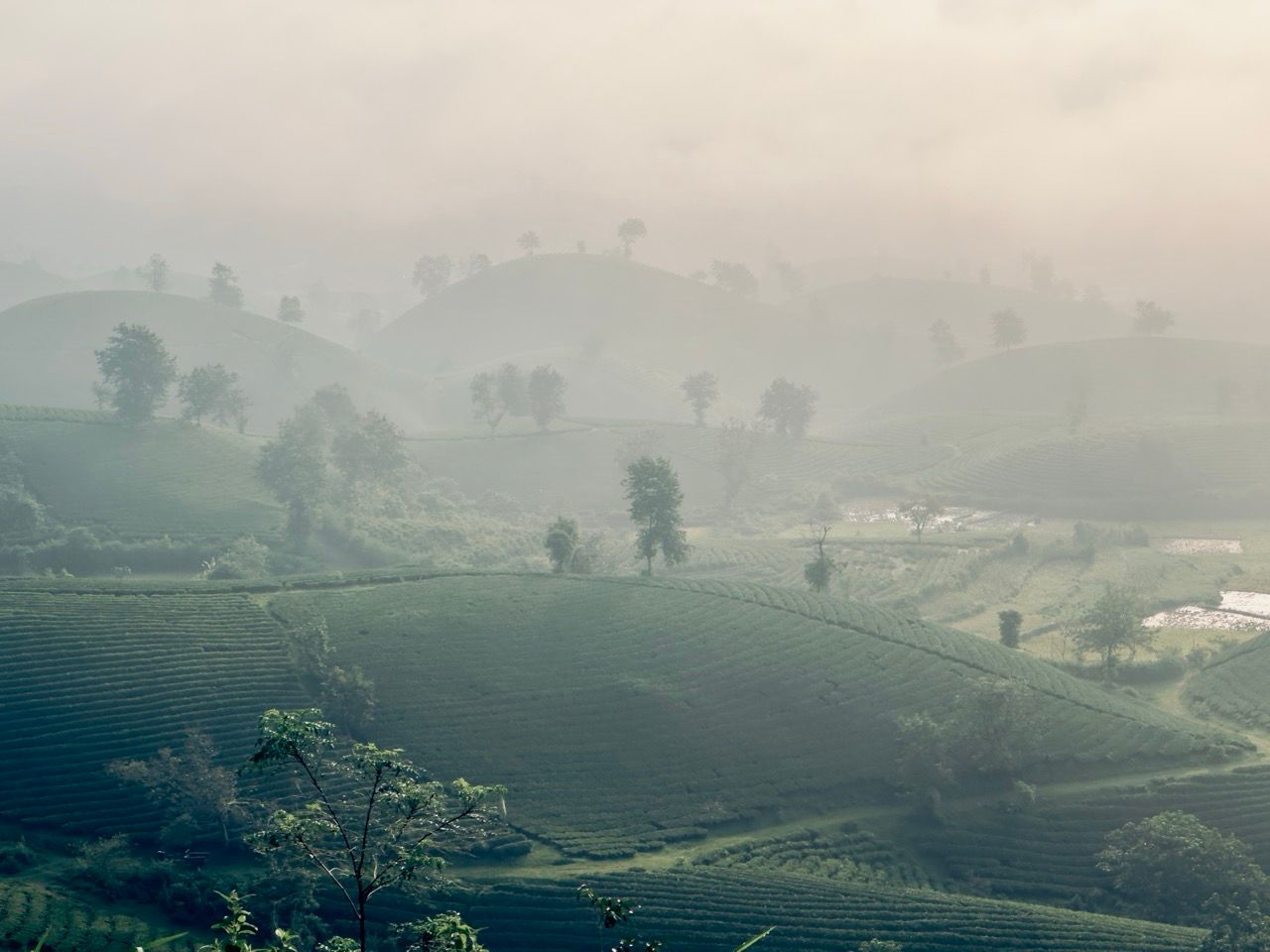
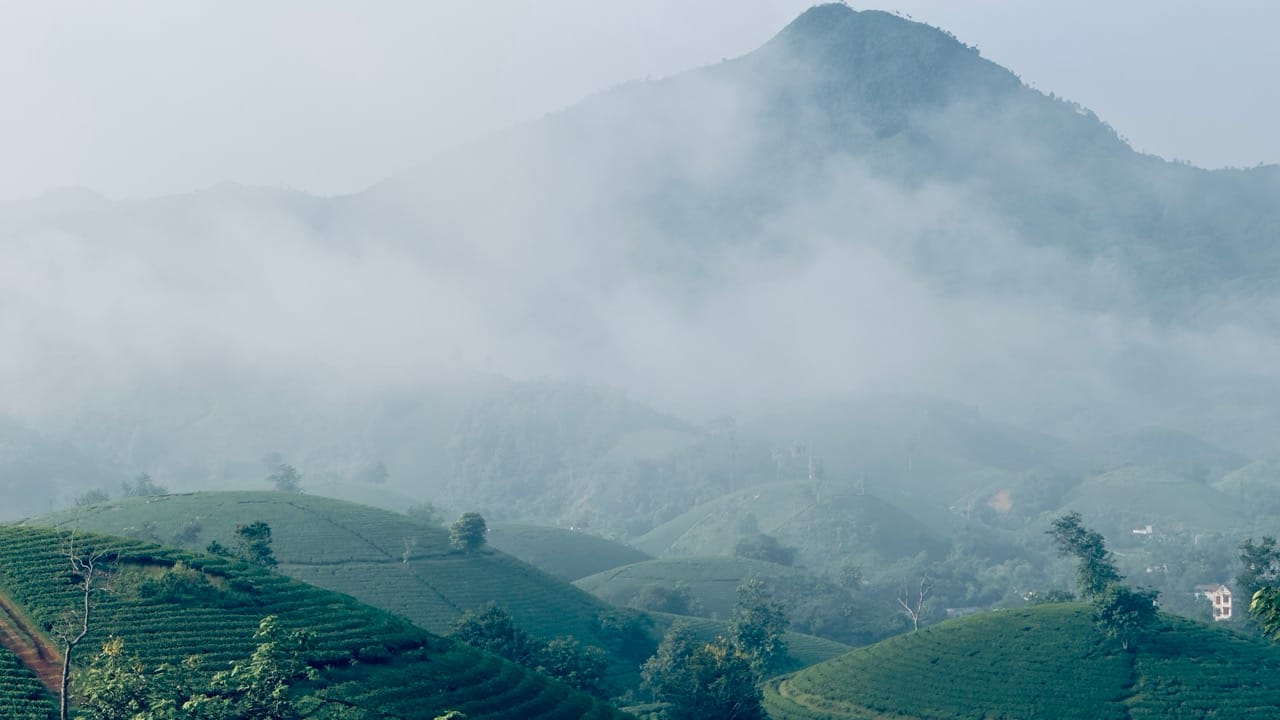
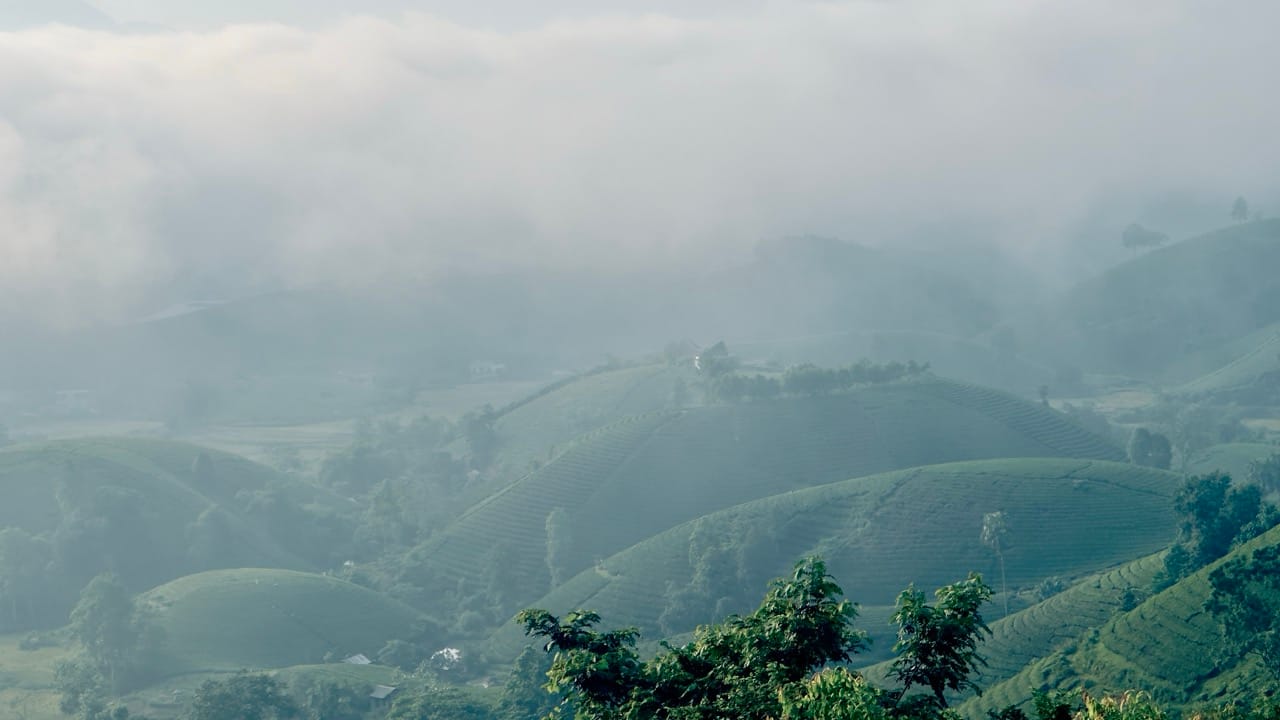
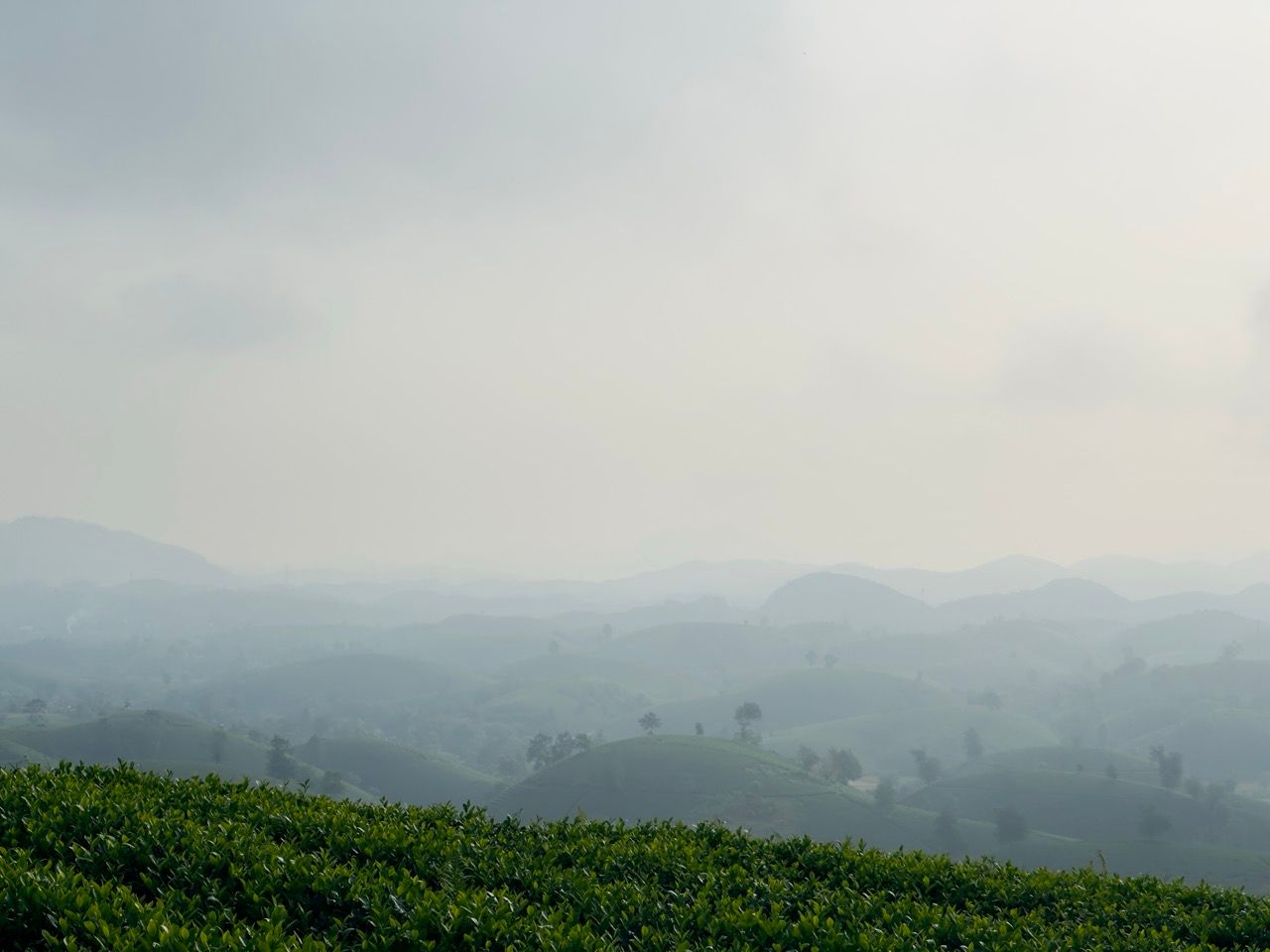
I set an alarm for 4:00 AM , already in Phú Thọ the night before. The drive to Long Cốc took only an hour — it was a full moon night in June, and through the window I could make out a red moon hanging low in the sky, even as the road itself stayed almost completely dark. What was waiting at the top, though, was a different story. The morning mist sat thick over the hilltops, filling the valleys below and hiding everything from view. Standing at the viewpoint, there was simply nothing to see yet.
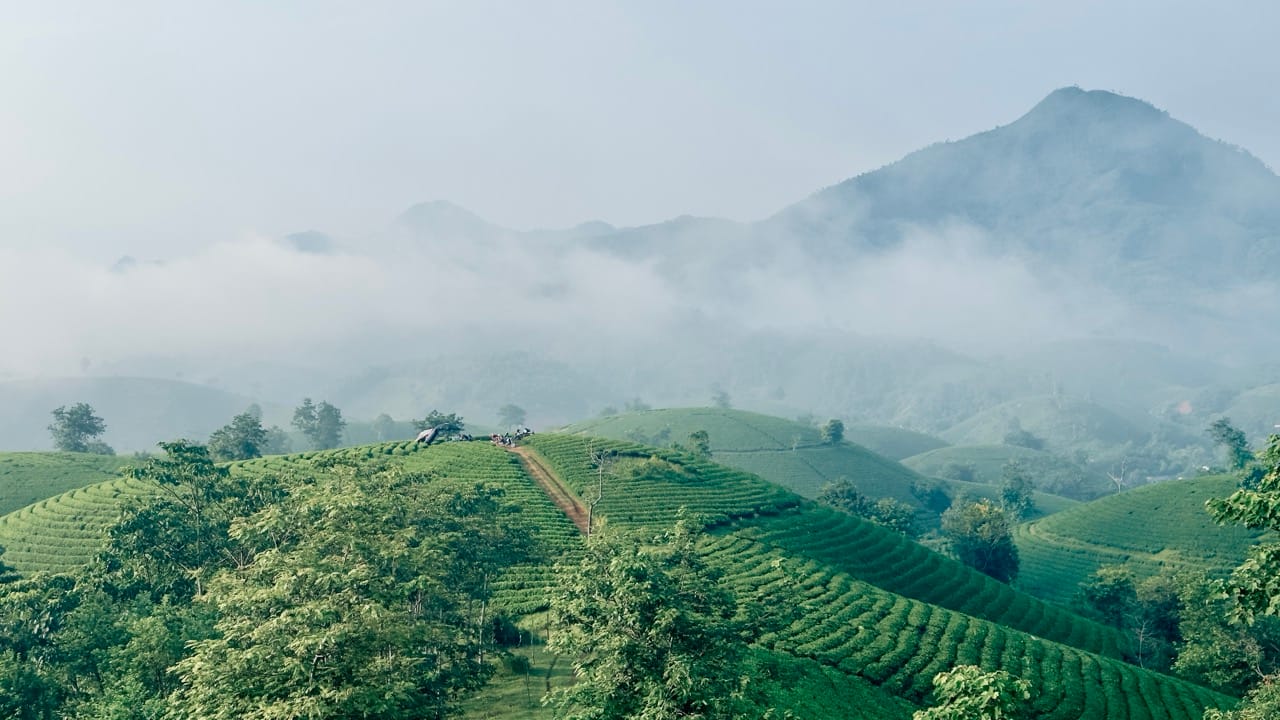
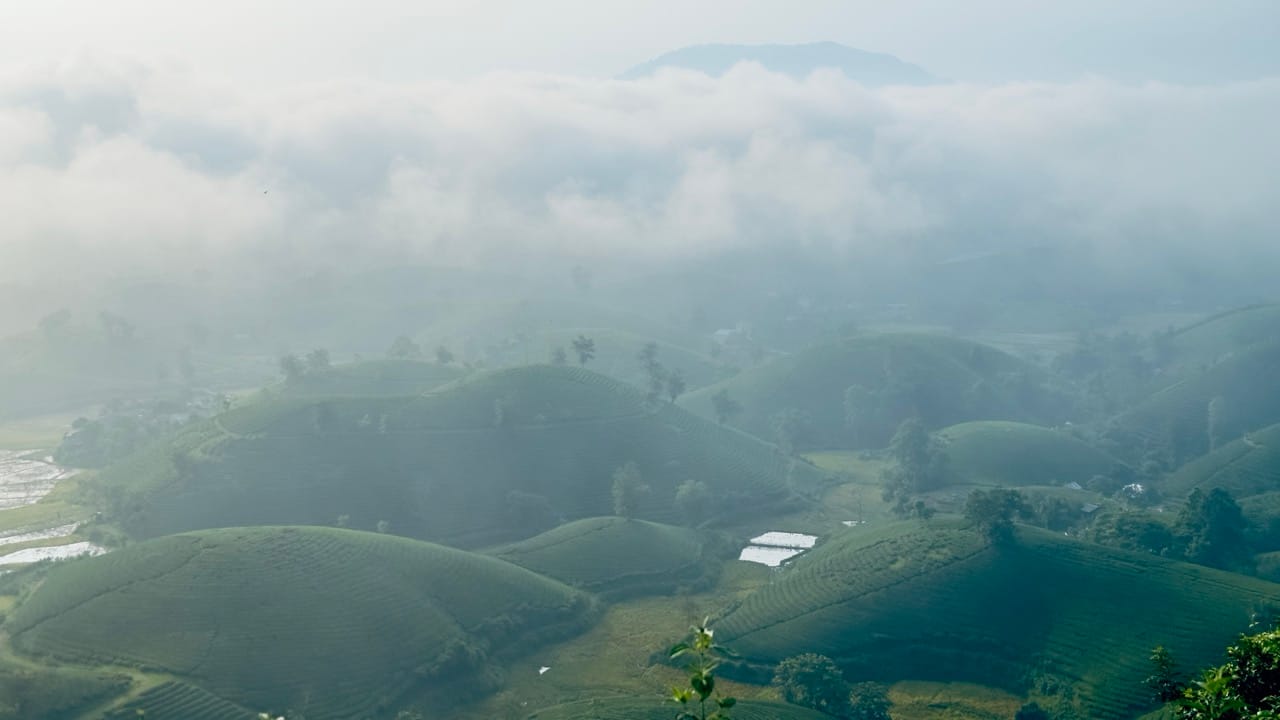
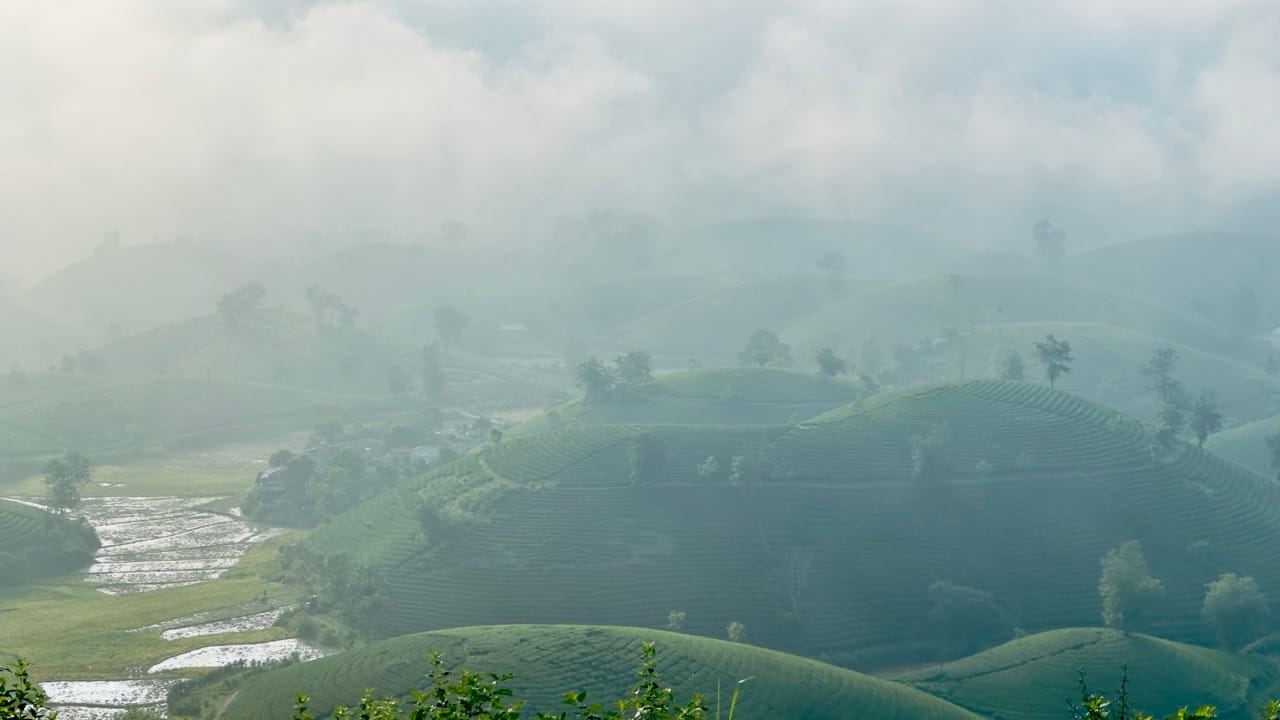
By 7:00 AM, the mist began to lift. The hills emerged slowly, layer by layer, like a painting being revealed. No tour groups. No entrance queue. Just rolling, dome-shaped hills covered in tea bushes, glowing green in the early morning light.
If you’ve already done Ninh Bình, Hạ Long Bay, or Sa Pa — and you’re looking for something quieter and a little more off the beaten path — Long Cốc Tea Hills and Thanh Thủy Hot Springs in Phú Thọ Province deserve a place on your list.
Table of contents
Location | Phú Thọ Province, ~2 hours northwest of Hanoi |
Best for | Photographers, nature lovers, repeat visitors to Northern Vietnam |
Best season | September to November |
Trip style | Sunrise photography + hot spring relaxation |
Duration | Full day |
Difficulty | Easy |
Transport | Private car recommended |
Budget tip | Car costs split easily between 3–5 people; Wyndham runs weekday promotions |
Long Cốc Tea Hills and Thanh Thủy Hot Springs are both located in Phú Thọ Province, northwest of Hanoi. The drive takes around 2–3 hours depending on traffic.
The most practical route:
Hanoi → Việt Trì → Long Cốc Tea Hills → Thanh Thủy Hot Springs → Hanoi
You can do this as a long day trip from Hanoi, but a more relaxed approach is to stay overnight in Phú Thọ first. Long Cốc requires a very early start (4:00–5:00 AM departure), and cutting an hour off that commute makes a real difference.
Recommended transport: A private car with driver. Having your own vehicle gives you full flexibility — you can leave for Long Cốc at whatever hour suits the conditions, and head to Thanh Thủy whenever you’re ready without waiting on anyone else’s schedule.
This is how our day unfolded — your timing may vary depending on season, conditions, and how long you linger.
Time | What we did |
4:00 AM | Departed from Phú Thọ for Long Cốc |
5:00 AM | Arrived at Long Cốc. Sunrise was around 5:15 AM — the hilltops and valleys were covered in mist, with nothing visible from the viewpoint yet |
5:00 – 7:00 AM | Waited on the hilltop as the mist slowly shifted |
7:00 – 8:00 AM | Mist began to lift from the valleys — this is when we got our best views and photos |
8:30 AM | Left Long Cốc |
9:30 AM | Arrived in Thanh Thủy, grabbed breakfast nearby |
10:00 AM | Entered Wyndham Lynn Times |
Afternoon | Hot springs, steam rooms, lunch, relaxing |
Evening | Returned to Hanoi |
Long Cốc is a landscape of rolling, rounded hills covered in tea bushes in Phú Thọ Province. It’s known primarily within Vietnam as a photography destination rather than a mainstream tourist attraction—the kind of place Vietnamese landscape photographers share among themselves.
What draws people here is the morning mist. On good mornings, the mist settles between the hills and fills the valleys, and as it slowly shifts, the tea-covered slopes appear and disappear beneath it, until the whole landscape gradually reveals itself. It’s one of those scenes that looks almost too perfect to be real.
This is also a working agricultural area. Local farmers tend the tea bushes across these hills every day, and you’ll likely see them going about their morning as you explore—which adds to the sense that you’re somewhere genuinely local, not staged for tourists.
Step 1: Look for the “Du Lich Long Coc” hillside sign
The turn-off to the main viewpoint is easy to miss by car. Watch for the large ‘Du Lich Long Coc’ hillside sign along the road—that’s your landmark. The road to the viewpoint isn’t accessible by car, so this is where you stop.
Step 2: How we got a motorbike ride to the top
This part wasn’t planned — it just unfolded naturally. While we stopped at the landmark taking a few photos, several locals approached us, pointed toward the hills, and offered motorbike rides up to the viewpoints. It turned out to be exactly what we needed, since the road to the top isn’t accessible by car.
I can’t say with certainty that this is the only way up, or that it happens at every entry point — but stopping at the signboard put us in the right place at the right time, and the locals there were clearly used to helping visitors.
The drivers know this route intimately and handle it with ease — but fair warning, the steeper sections felt genuinely adventurous.
Once you reach the top and settle in to wait for the mist, the same locals who gave you a ride would likely come back up later on their motorbikes with a small informal setup — tables, coconuts, drinks, and snacks carried up to sell to people waiting on the hillside. Some also offer to rent ethnic minority clothing for better photos, and a few will happily take pictures for you. None of this is organised or ticketed — just local people finding ways to make a living from the beauty of the place, and it adds a warmth to the whole experience.
Take the motorbike if: your priority is photography and you want to reach the viewpoint before the light changes.
Walk (about 1 hour) if: you want to slow down, observe the tea farming up close, and take photos along the way rather than only at the top.
Either way, avoid riding your own motorbike unless you’re already comfortable on steep, unpaved rural terrain.
Most guides suggest arriving between 5:00 –6 : 00 AM for sunrise photography, and that’s reasonable advice — but conditions vary a lot depending on the season and recent weather.
We visited in June, and it had rained the night before. When we arrived at 5:00 AM , the mist was sitting heavily over the hilltops and filling the valleys — from the viewpoint, there was nothing to see below yet. The conditions only started to open up around 7:00 AM.
Based on that experience:
Autumn (September–November) is generally the most reliable season for the classic layered mist. In other months, you can still get beautiful conditions — but arriving early and being patient is always the right approach, whatever the season.
The patience required is part of what makes Long Cốc special. If you come prepared to wait and watch, you’ll likely be rewarded.
Thanh Thủy is a natural mineral hot spring area in Phú Thọ Province that has been developed into a cluster of wellness resorts. The springs are mineral-rich, and the area is popular with families, couples, and Hanoi-based expats looking for a relaxing escape that doesn’t require flying anywhere.
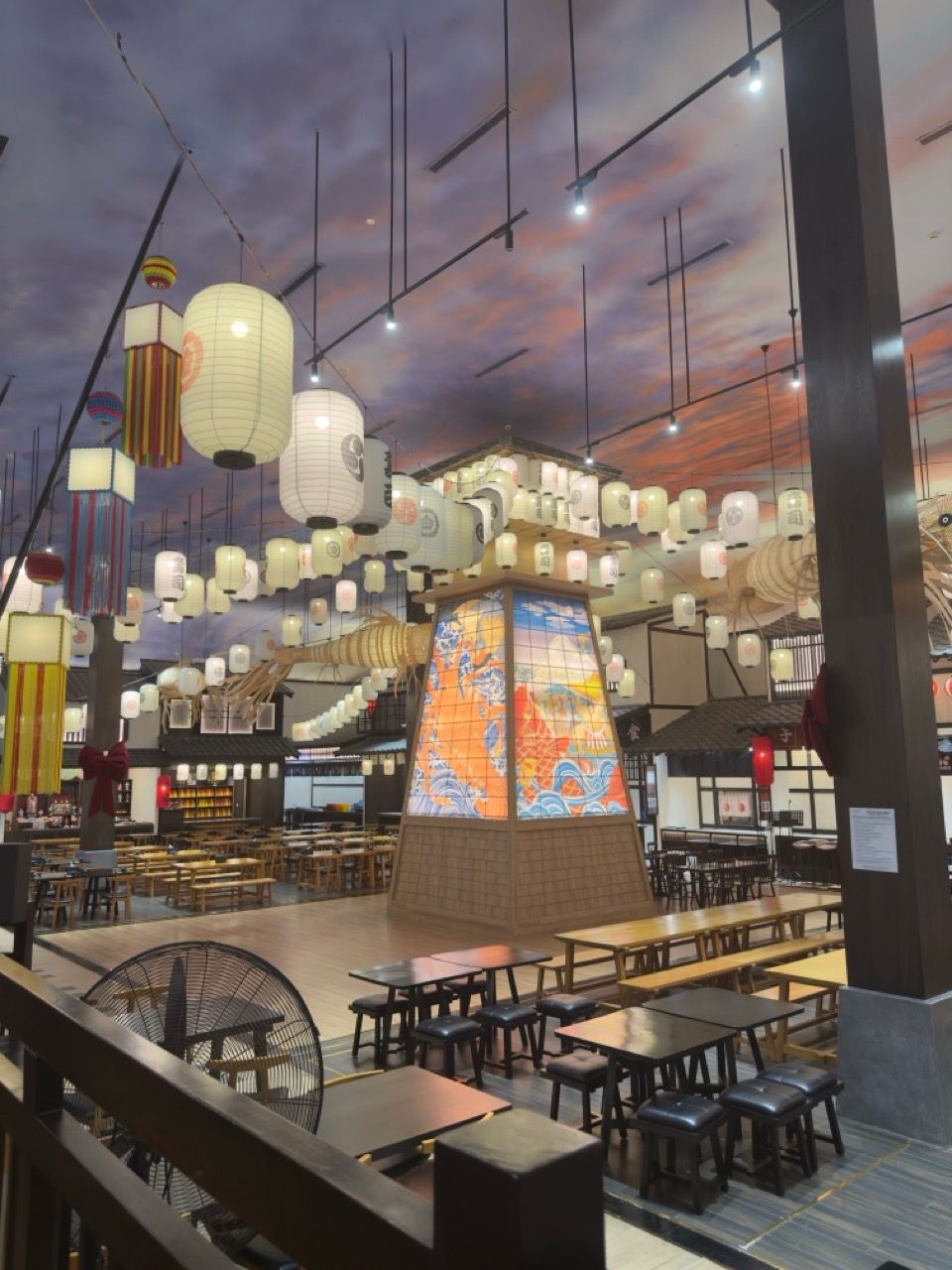
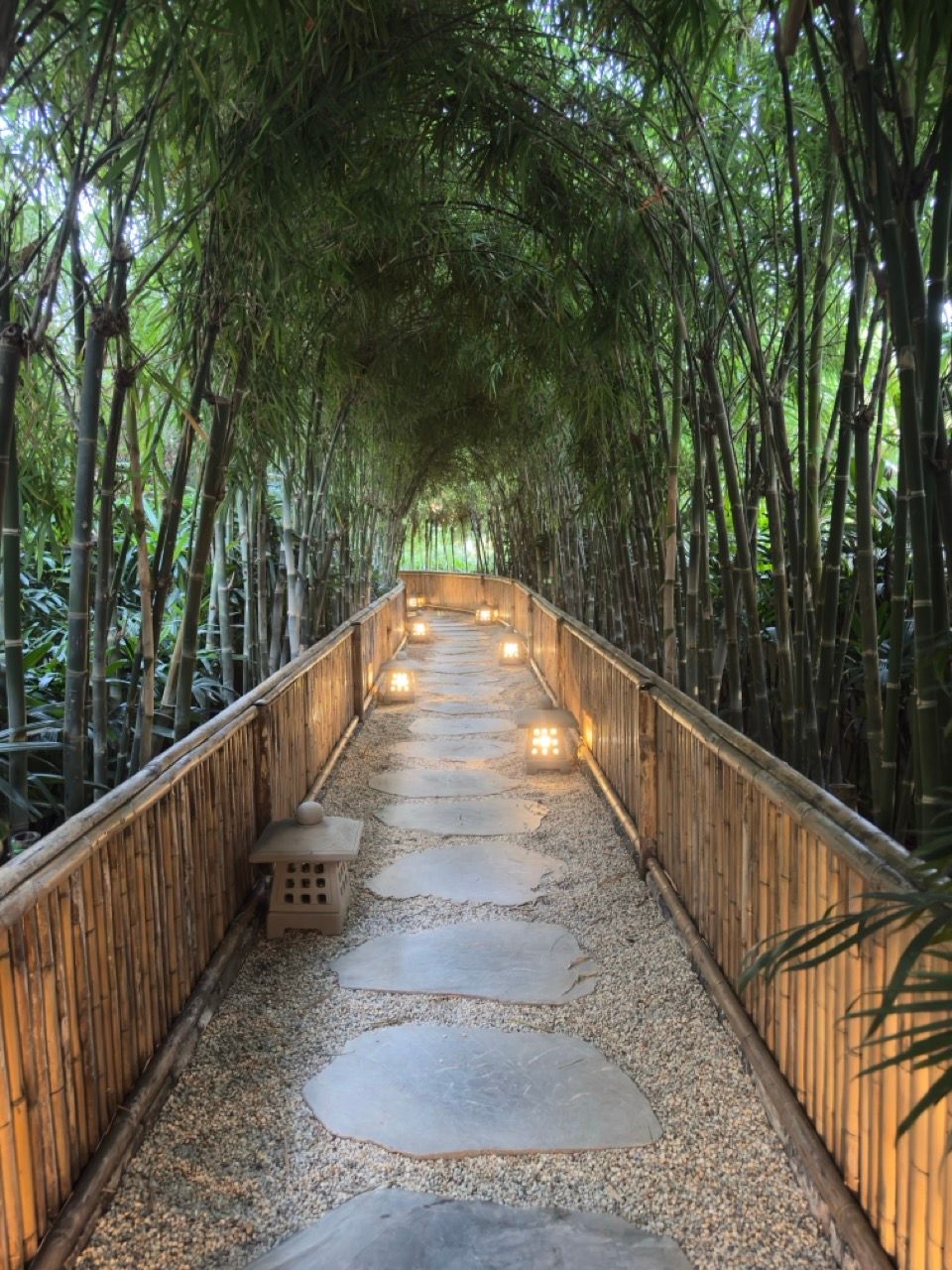
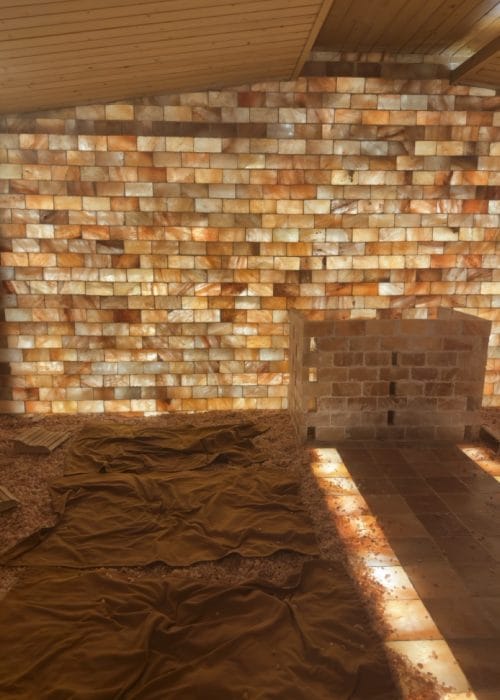
There are a few resorts in Thanh Thủy, but Wyndham Lynn Times (home to Ohayo Onsen & Spa) is the most comprehensive option for a day visit. Even with the basic day-use ticket, you get access to a surprisingly wide range of facilities.
During our visit on a Monday, we paid 250,000 VND per person thanks to a 50% weekday promotion — a genuinely good deal for what’s included.
Don’t be put off by “basic ticket” — there’s plenty to keep you occupied for a full afternoon.
With the standard Ohayo +1 day-use ticket, you have access to:
Food and drinks are not included in the ticket. The resort has several restaurants and cafés on-site, but these are paid separately. That said, it’s easy to stay for lunch without having to leave the complex, and three to five hours here pass without you noticing.
A swimming costume is required for the mineral pools. If you don’t have one, you can rent or buy one at the resort — renting is the cheaper option. That said, bringing your own is the most comfortable choice.
For the Jjimjilbang area, the resort provides the cotton robes, so nothing extra is needed.
Pricing changes regularly and promotions are weekday-only — weekends almost never have discounts. If you have flexibility on timing, a weekday visit makes a real difference to the price. Check the Lynn Times Thanh Thủy official website and Ohayo Onsen & Spa page for current offers before you go.
After a morning at Long Cốc, take some time for a proper meal before or after the hot springs. Phú Thọ has its own regional food culture, and there are good local restaurants around Thanh Thủy.
Dishes worth trying:
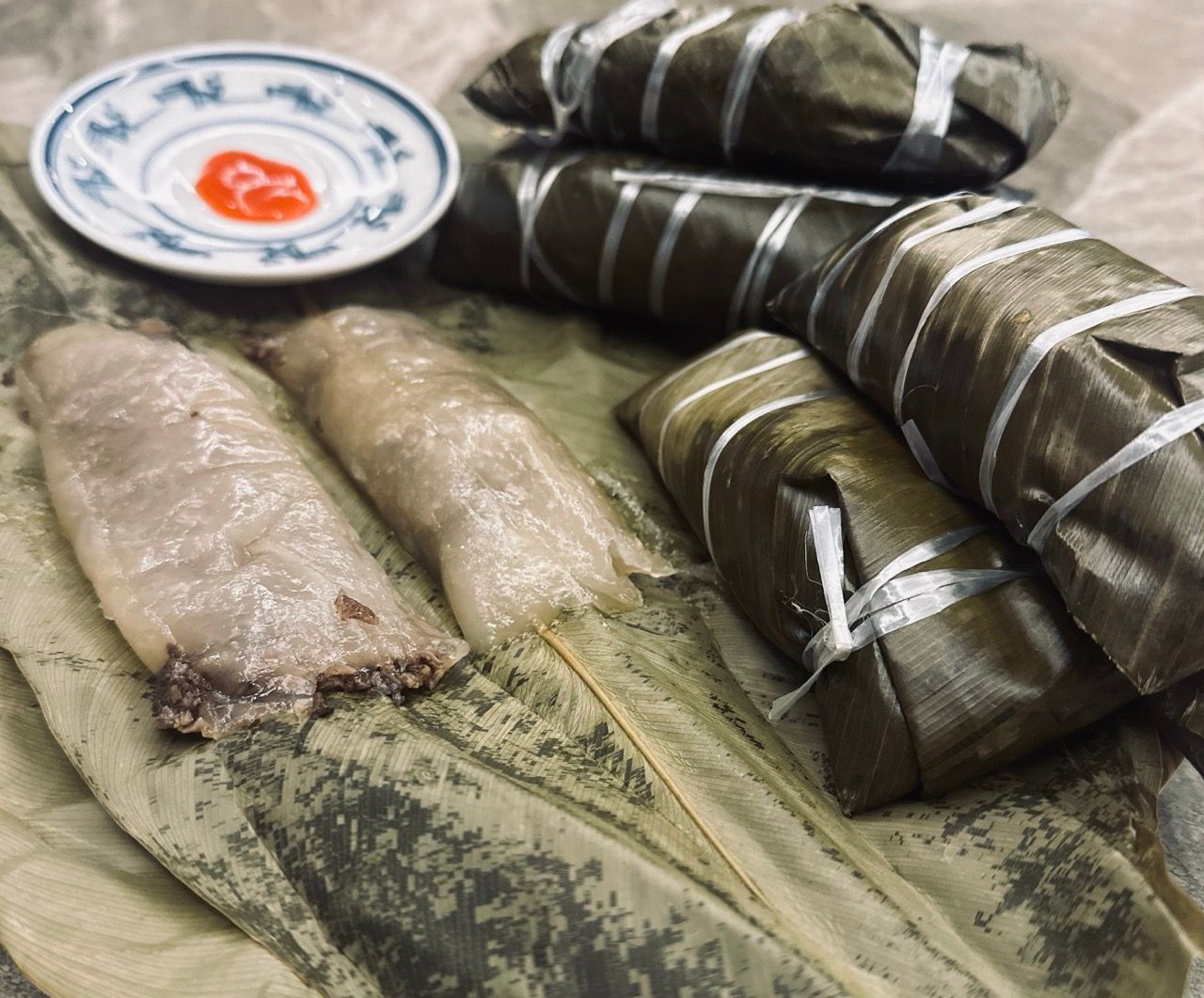
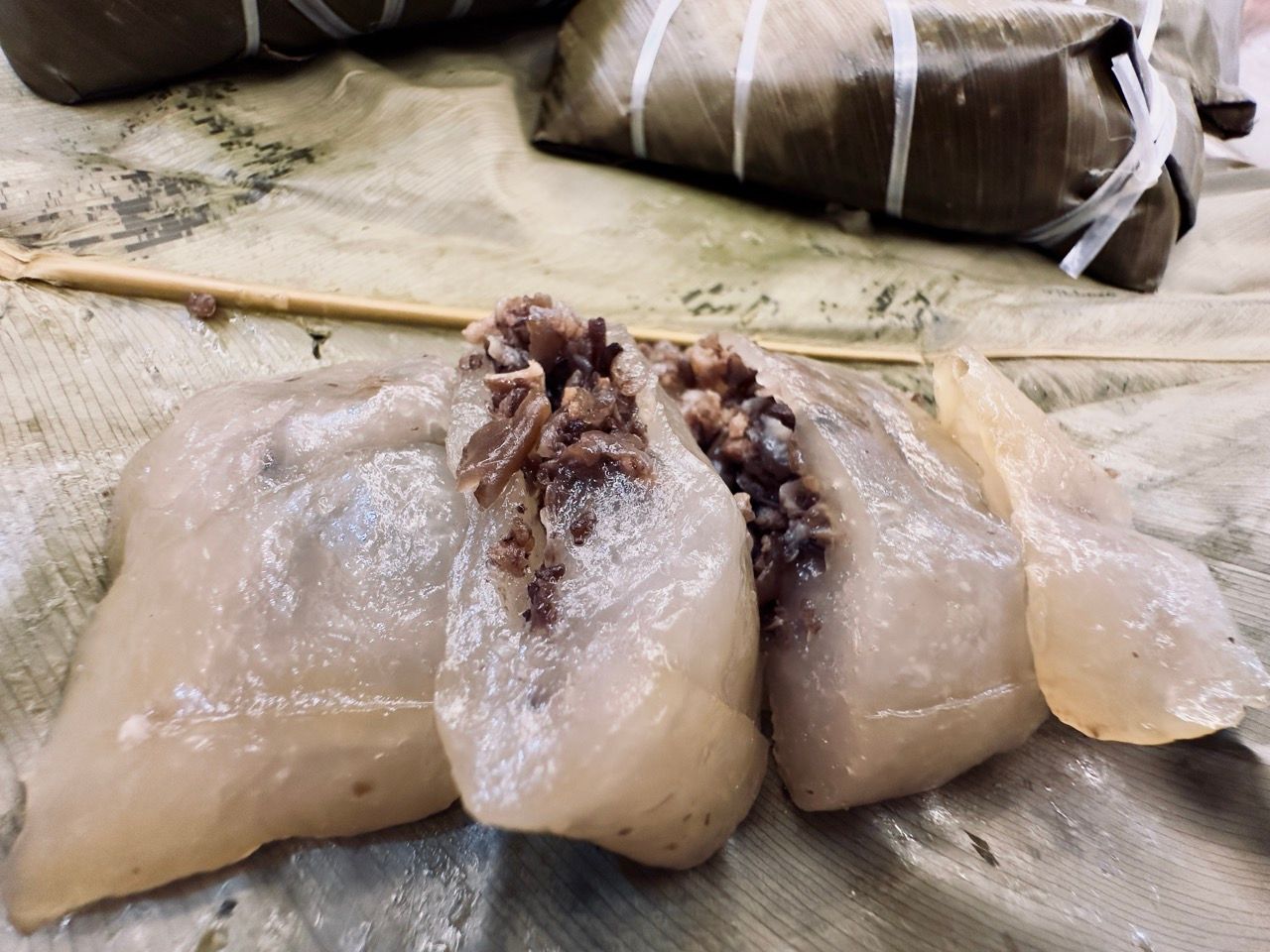
The thing I always bring home from Phú Thọ is bánh sắn — a savoury cassava cake filled with minced pork and wood ear mushroom, lightly seasoned and wrapped.
A cooked one costs around 5,000 VND. The uncooked version (around 4,000 VND) can be kept in the freezer and just needs 40 minutes of steaming when you want to eat.
It’s not a tourist souvenir—it’s what my family and plenty of Hanoians I know actually bring back whenever they pass through Phú Thọ. Affordable, easy to carry, and more representative of the region than anything sold at an attraction entrance.
Item | Estimated Cost |
Private car, Hanoi ↔ Phú Thọ (full day, round trip) | ~1,800,000 VND |
Long Cốc motorbike ride (round trip, per person) | ~60,000 VND |
Drinks and snacks at Long Cốc | 20,000–50,000 VND |
Wyndham hot spring ticket (standard price) | From ~400,000 VND |
Food at Thanh Thủy | 100,000–300,000 VND |
Bánh sắn | ~5,000 VND each |
Notes: Car costs reduce significantly when split between 3–5 people. Wyndham weekday promotions can cut ticket prices by 30–50%.
You’ll love this if you:
You might want to skip this if you:
What is the best time of year to visit Long Cốc Tea Hills? September to November is the most reliable season for morning mist. The hills can still be beautiful at other times of year, but the iconic layered mist is most common in autumn.
Can I do this as a day trip from Hanoi? Yes, absolutely—but it’s a long day. Staying overnight in Phú Thọ makes the early morning departure to Long Cốc much more manageable and the overall trip more relaxed.
Is Long Cốc crowded? Compared to Sapa or Ninh Bình, Long Cốc is relatively quiet. It’s popular with Vietnamese photographers but hasn’t been heavily developed for international tourism, which is part of its appeal.
Do I need to book Thanh Thủy hot springs in advance? For a weekday visit, walk-in is generally fine. Weekends are busier, and booking ahead is worth considering. Also note that promotions are almost exclusively weekday deals — Monday in particular often has the best discounts. Check the resort’s website for current offers before you go.
What if the mist doesn’t appear at Long Cốc? It depends on the season and weather. Even without mist, the tea hills are visually distinctive and worth a visit — but if photography is your main goal, autumn mornings give you the best odds.
Do I need to bring anything special for Thanh Thủy? A swimming costume for the mineral pools. Everything else — robes, towels, facilities — is provided or available to rent at the resort.
Long Cốc and Thanh Thủy aren’t the most famous destinations in Northern Vietnam — and that’s exactly the point.
Long Cốc rewards patience. You won’t get a perfect shot the moment you arrive. But if you’re willing to sit in the mist and wait, the hills eventually reveal themselves in a way that feels genuinely earned. Thanh Thủy, in the afternoon, is the ideal counterpart: warm water, no agenda, and an easy drive back to Hanoi whenever you’re ready.
For photographers, long-term expats, or repeat visitors looking to go beyond the standard circuit — this combination is one of the best day trips Northern Vietnam has to offer.